
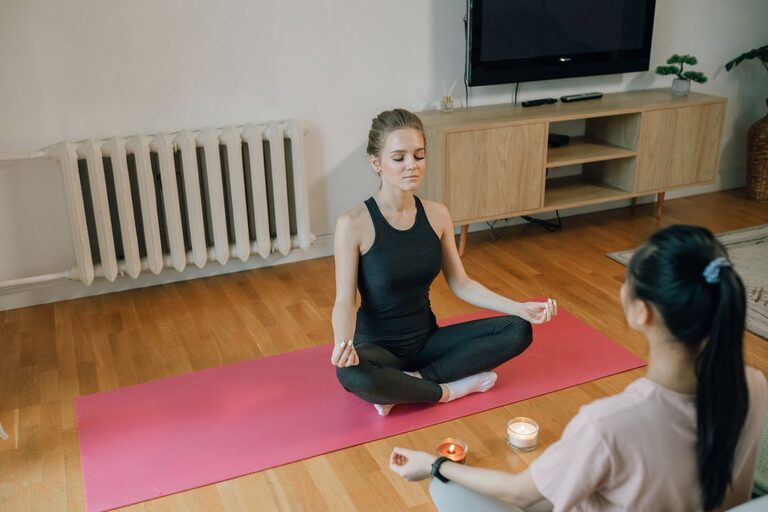
Taking mindful breathing breaks is a simple and effective way to refresh your mind and body during busy days. Whether you’re working at a desk, managing household tasks, or just feeling overwhelmed, pausing for a few intentional breaths can help you regain calm and focus.
If you’re new to mindful breathing, this post will guide you through practical tips and easy exercises to make breathing breaks a calming habit. These practices require no special equipment and can be done anywhere, anytime.
What is Mindful Breathing?
Mindful breathing means paying full attention to your breath as it flows in and out. Instead of rushing through breaths or thinking about other things, you gently notice each inhale and exhale. This simple awareness helps anchor your mind in the present moment.
Mindful breathing is a foundational tool in many meditation and relaxation techniques. It can help reduce feelings of stress, improve concentration, and boost emotional well-being.
Why Take Mindful Breathing Breaks?
– Reduce stress and anxiety: Slow, deep breaths activate your body’s relaxation response.
– Increase focus and clarity: Bringing attention to your breath can clear mental clutter.
– Improve mood: Mindful breathing helps regulate emotions and promotes calmness.
– Boost energy: A few deep breaths can refresh and invigorate your body.
– Enhance self-awareness: You become more in tune with how your body feels.
How to Start Mindful Breathing Breaks: Beginner Tips
1. Choose a Comfortable Position
You don’t need to sit cross-legged on the floor—simply find a position where you feel relaxed and supported.
– Sit in a chair with your feet flat on the floor.
– Stand up if you prefer.
– Lie down if that’s easier during the day.
Good posture helps make breathing easier and keeps you alert.
2. Set a Time Frame
Starting with short sessions is best for beginners.
– Begin with 1 to 3 minutes.
– Gradually increase to 5 or 10 minutes as you feel comfortable.
– Use a timer or an app if it helps you stay on track.
3. Focus on Your Natural Breath
Don’t try to change how you breathe at first. Just notice it.
– Observe your inhale and exhale.
– Notice where you feel the breath most strongly (nose, chest, or belly).
– If your mind wanders, gently bring your focus back to your breath.
4. Use a Simple Breathing Technique
Here are two easy methods to get started:
#### Box Breathing
- Inhale slowly through your nose for a count of four.
- Hold your breath for a count of four.
- Exhale slowly through your mouth for a count of four.
- Hold your breath again for a count of four.
- Repeat for several cycles.
#### 4-7-8 Breathing
- Inhale quietly through your nose for 4 seconds.
- Hold your breath for 7 seconds.
- Exhale completely through your mouth for 8 seconds.
- Repeat for 3 to 4 breaths.
5. Find a Quiet Spot or Use Headphones
Reducing distractions can help you focus better.
– If possible, find a quiet corner or a comfortable room.
– If noise is an issue, try noise-canceling headphones or calming background sounds like soft music or nature sounds.
6. Practice Regularly
Consistency is key to building mindfulness skills.
– Add mindful breathing breaks to your daily routine.
– Try before or after work, during lunch, or whenever you feel stressed.
– Use reminders on your phone or calendar.
7. Be Patient and Kind to Yourself
It’s normal for beginners to feel restless or distracted.
– Don’t judge yourself for a wandering mind.
– Each time you bring your attention back, you’re strengthening your mindfulness.
Additional Tips for Enhancing Your Breathing Breaks
– Combine with gentle stretching: Open up your body after sitting for long periods.
– Use visualization: Imagine breathing in calm and breathing out tension.
– Journal your experience: Note how you feel before and after your breaks.
– Try guided meditations: Apps like Insight Timer or Calm offer beginner-friendly sessions centered on mindful breathing.
When to Use Mindful Breathing Breaks
– Before a stressful meeting or event.
– When you notice tension in your body.
– During work or study sessions to reset focus.
– Anytime you feel overwhelmed or anxious.
– Before bedtime to prepare for restful sleep.
Final Thoughts
Mindful breathing breaks are a simple yet powerful tool you can use anytime to nurture calm and presence. By starting small and practicing regularly, you’ll find these moments of breath awareness become a helpful part of your daily routine.
Remember, the goal isn’t to control your breath or achieve perfection but to gently observe and connect with the present moment. Give yourself permission to pause, breathe, and refresh—you deserve it!